
Solar Space Heating System
Solar Space Heating System Dealer/ Supplier in Dehradun
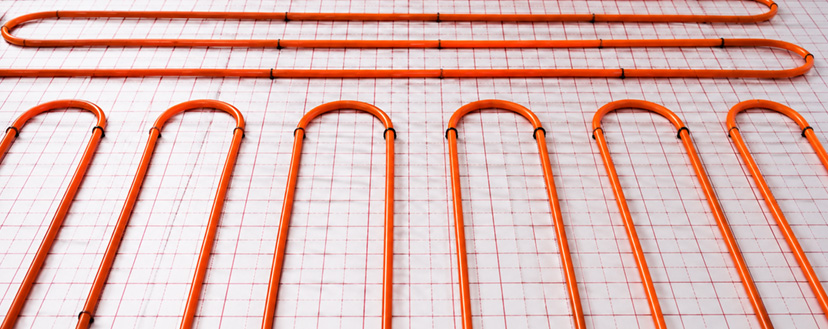
Solar Space heating and cooling can be carried out by circulating hot or cold water through PEX pipes embedded in the floor of the space to be heated. The flooring could be of any type even wooden. The source used for heating and cooling of water could be solar, heat pump or underground water. In each case the system has to be carefully designed depending on source of heat and temperature conditions required. A solar space heating system uses solar thermal collectors to capture the sun's heat and distribute it indoors via air or water-based systems. It’s mainly used to reduce or eliminate the need for conventional heating
Types of Solar Space Heating System
Solar space heating systems are mainly available in two types, depending on how heat is collected and distributed.
Air-Based Systems
Air-based systems use solar collectors to heat air directly. The heated air is then distributed throughout the building using ducts or fans.
Hydronic (Water-Based) Systems
Hydronic systems heat a liquid, usually water or glycol, in the solar collector. The heated fluid is circulated through the heating system.
Advantages & Benefits of Solar Space Heating Systems
Discover the energy-saving, environmentally friendly and long-term advantages of using solar space heating systems.
Reduces Heating Costs
Environmentally Friendly
Low Operating Costs
Energy Independence
Efficient & Silent Operation
Durable & Low Maintenance
Comfortable Indoor Environment
Reduces Peak Load Demand
Integrates with Existing Heating Systems
Eligible for Incentives
Everything You Need to Know About Solar Space Heating Systems
Find answers to common questions about solar space heating systems, their working, benefits, types and performance.
A solar space heating system uses solar energy to provide warmth for indoor spaces. It collects heat from the sun using solar collectors and distributes it indoors through air ducts, radiant floors or water-based heating systems.
Solar collectors capture heat from the sun. The heat is then transferred to air or water, depending on the system design. The heated air or water is circulated through ducts, radiators or floors to warm the indoor space.
A backup electric or gas heating system can provide additional heating during cloudy days or when solar energy is insufficient.
- Reduces electricity or fuel bills significantly
- Eco-friendly and helps reduce carbon emissions
- Works well in cold climates with good sunlight
- Provides long-term heating performance
- Offers low operating costs
- Air-Based Systems – Heat air directly and circulate it indoors.
- Liquid-Based Systems – Use water or an antifreeze solution for radiant floor or radiator heating.
- Passive Solar Design – Uses building architecture to capture and store solar heat.
Yes. Solar space heating systems can be used in cold climates. Evacuated tube collectors (ETC) can perform well in low temperatures and diffuse sunlight conditions.
Yes. Sunlight is not always available, particularly during nighttime, cloudy weather or rainy days. A backup electric or gas heating system can help maintain uninterrupted indoor comfort when solar heating is insufficient.
Why Choose S & N Merchandiser Dehradun?
Choose reliable solar space heating solutions designed to reduce energy consumption, lower heating costs and provide comfortable indoor heating.