
Mono & Poly-Crystalline Solar Module
Mono & Poly Crystalline Solar Module Dealer/ Supplier in Dehradun
Both monocrystalline and polycrystalline solar panels serve the same function in the overall solar PV system: they capture energy from the sun and turn it into electricity. They are also both made from silicon, which is used for solar panels because it is an abundant, very durable element. Many solar panel manufacturers produce both monocrystalline and polycrystalline panels.
Both monocrystalline and polycrystalline solar panels can be good choices for your home, but there are key differences between the two types of technology that you should understand before making your final solar purchase decision. The main difference between the two technologies is the type of silicon solar cell they use: monocrystalline solar panels have solar cells made from a single crystal of silicon, while polycrystalline solar panels have solar cells made from many silicon fragments melted together.
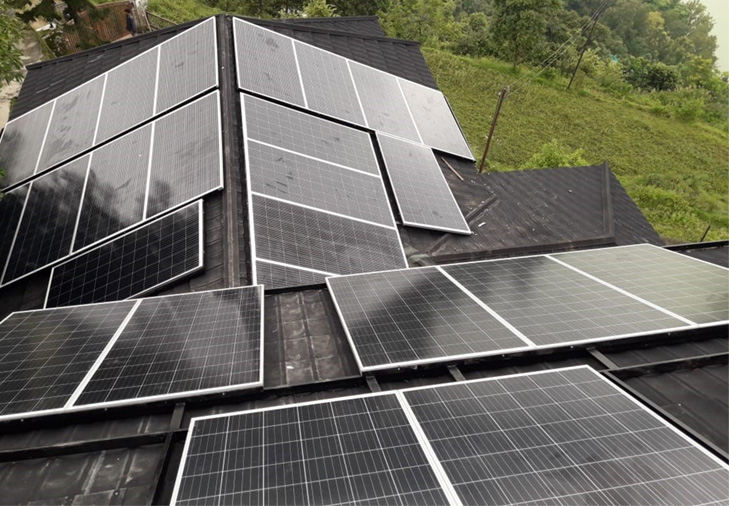
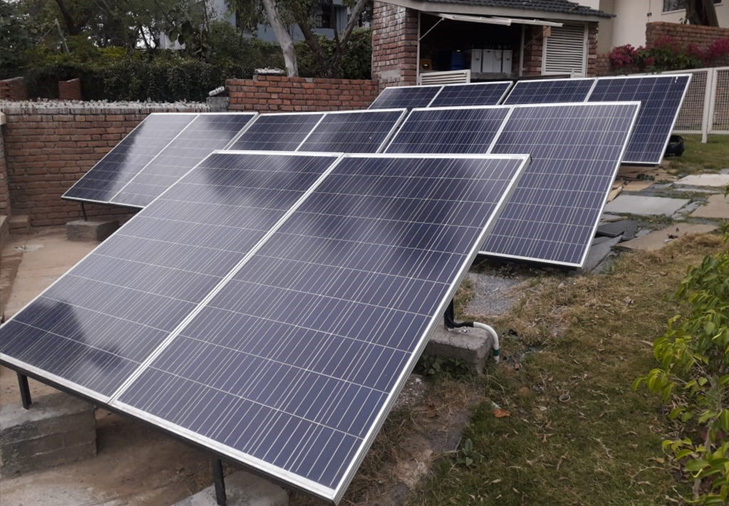
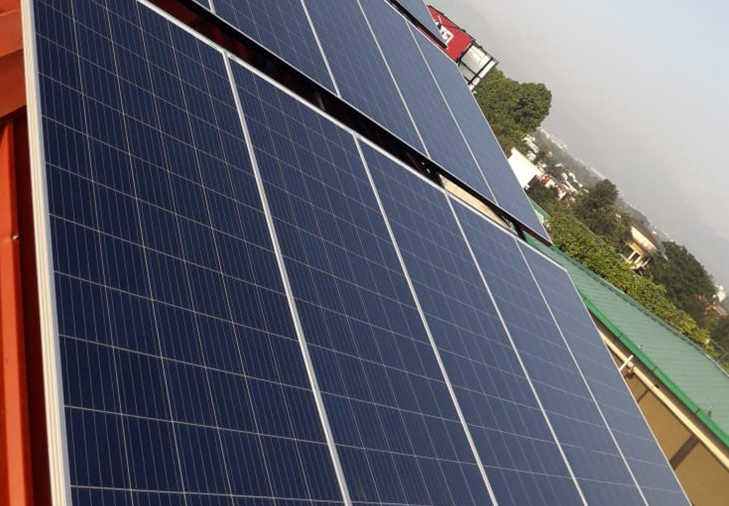
Mono-crystalline and Poly-crystalline solar modules — two of the most common types of photovoltaic (PV) panels used for solar power generation:
Types of Solar Water Heating Systems
Solar water heating systems are mainly divided into active and passive systems based on how water or heat-transfer fluid is circulated.
Mono-crystalline Solar Modules (Mono-Si)
Made from a single crystal of silicon.
Single Crystal Silicon
Made from a single crystal of silicon.
Cylindrical Silicon Ingot
Cells are cut from a cylindrical silicon ingot.
Uniform Color
Uniform black or dark color
Poly-crystalline Solar Modules (Poly-Si or Multi-Si)
Made from multiple silicon crystals melted together.
Multiple Silicon Crystals
Made from multiple silicon crystals melted together.
Bluish, Speckled Appearance
Cells have a bluish, speckled appearance.
Easier & Cheaper Manufacturing
Easier and cheaper to manufacture.
Common Benefits of Mono & Poly Crystalline
Although mono-crystalline and poly-crystalline modules differ in construction, both provide reliable, clean and long-term solar energy solutions.
Renewable & Clean Energy Source
Both types convert sunlight into electricity without direct emissions, supporting cleaner and more sustainable energy generation.
Long Lifespan
Solar modules are designed for long-term operation, typically providing around 25–30 years or more of useful performance.
Low Maintenance
Once installed, both technologies require relatively little maintenance, with periodic cleaning helping maintain system performance.
Cost Savings Over Time
Generating electricity from sunlight can reduce dependence on grid electricity and provide long-term savings and return on investment.
Grid-Tied or Off-Grid Use
Both module types can be integrated with suitable inverters, batteries and hybrid systems according to the project's energy requirements.
Choose the Right Solar Technology
Mono-crystalline and poly-crystalline solar modules each offer distinct advantages depending on available space, budget, climate and project requirements.
Mono-crystalline Solar Modules
Made from a single crystal structure of silicon, mono-crystalline modules are designed for high efficiency, strong performance and a sleek appearance.
Higher Efficiency
Efficiency ranges from approximately 18–22%, making them ideal for installations where available space is limited.
Better Performance in Low Light & Heat
Performs well in cloudy conditions and maintains good output at higher operating temperatures.
Sleek Aesthetics
Typically available in an all-black or dark finish, creating a clean and modern appearance on rooftops.
Longer Lifespan & Warranty
Often supported by longer warranties due to their durable construction and higher material quality.
Poly-crystalline Solar Modules
Made from multiple silicon fragments melted together, poly-crystalline modules offer a practical balance of affordability, reliability and proven performance.
Lower Cost
Generally more affordable than mono-crystalline modules, making them a budget-friendly option for many installations.
Less Energy-Intensive Manufacturing
The manufacturing process is simpler, requiring less energy and helping reduce the environmental impact of production.
Reliable & Proven Technology
A well-established solar technology widely used for residential, commercial and rural applications.
Good Performance in Moderate Climates
Performs efficiently in locations with consistent sunlight and moderate operating temperatures.
Everything You Need to Know About Mono & Poly Crystalline Solar Modules
Find answers to common questions about monocrystalline and polycrystalline solar modules, their efficiency, benefits, applications and suitability.
Monocrystalline (Mono): Made from a single crystal of silicon. These modules are usually black or dark in color and generally offer higher efficiency and better low-light performance.
Polycrystalline (Poly): Made from multiple silicon fragments melted together. These modules usually have a blue appearance and offer a more affordable alternative to monocrystalline modules.
Monocrystalline solar modules generally offer around 18–22% efficiency, while polycrystalline modules typically range between 15–17% efficiency.
This means monocrystalline modules can produce more electricity from the same amount of available roof space.
Monocrystalline panels are ideal when rooftop space is limited or when maximum efficiency and power generation are important.
Polycrystalline panels are suitable when there is ample rooftop space and the priority is a more budget-friendly solar installation.
- Higher efficiency and power output
- Better performance in low-light and cloudy conditions
- Longer lifespan and higher durability
- Sleek black appearance with a modern rooftop look
- Lower cost compared to monocrystalline panels
- Good performance in sunny and high-heat areas
- Reliable and widely available technology
- Suitable for residential, commercial and rural applications
Yes. Under India's Rooftop Solar Programme, both monocrystalline and polycrystalline modules can be eligible for residential subsidy, subject to applicable BIS/ALMM standards and current programme requirements.
Why Choose S & N Merchandiser Dehradun?
Choose reliable mono and poly crystalline solar modules backed by practical product guidance, dependable performance and installation support.