
Electric and Hydronic Underfloor Heating System
Electric and Hydronic Underfloor heating system Dealer/ Supplier in Dehradun
Underfloor heating warms your space from the ground up, delivering even, gentle heat across the entire floor area—much more consistent than radiators or air systems.
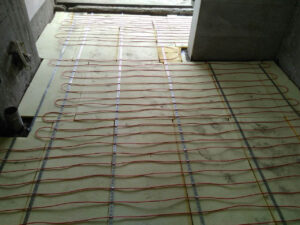
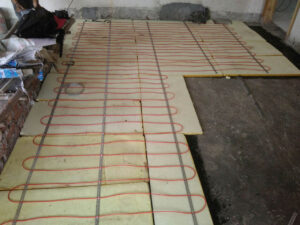
Types of Underfloor Heating Systems
Underfloor heating warms your space from the ground up, providing even, gentle and comfortable heat across the entire floor area.
Electric Underfloor Heating
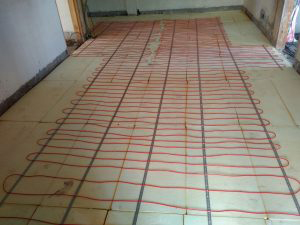
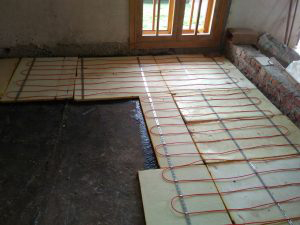
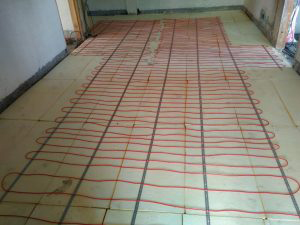
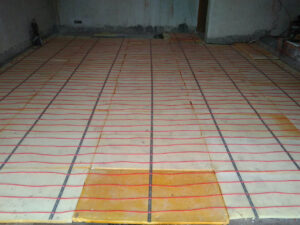
Electric underfloor heating uses resistive heating cables installed beneath the floor surface to generate heat directly from electricity.
How It Works
- Electric energy produces heat through resistive cables embedded beneath the floor.
- Solar power can be used to offset the electricity consumed by the heating system and reduce electricity bills.
Key Point
Heating components are installed beneath the floor, providing direct and even heat across the heated area.
Consideration
Needs - Shadow free space on roof or ground.
Hydronic Underfloor Heating
Hydronic underfloor heating circulates warm water through pipes installed beneath the floor to provide comfortable and efficient whole-area heating.
How It Works
- Hydronic systems use warm water circulated through pipes embedded the floor.
- Warm water can be produced by solar thermal heating or heat pumps to reduce energy costs.
Considerations
Efficient for whole-house heating for ambient temperature upto 5degC.
- Backup heat sources are usually still needed in colder months if the temperature ambient fall to 0degC.
- Solar Power can compensate the energy costs incurred if direct electricity is used for heating water.
Solar Makes Underfloor Heating More Energy Efficient
Solar energy can support both electric and hydronic underfloor heating systems by providing electricity or heat, helping reduce operating costs and environmental impact.
- Solar's main role in both systems is to provide electricity and heat.
- This lowers energy costs and reduces the environmental impact of heating.
- Whether electric or hydronic, adding solar helps offset the operating energy cost.
- Heat can be generated using solar water heaters and heat pumps, which are energy-saving technologies that help reduce running costs.
- Solar electricity can also be used to reduce electricity bills indirectly by supplying power for the heating system.
Benefits of Both Systems
Electric and hydronic underfloor heating systems provide comfortable, efficient and space-saving heating for modern interiors.
Even & Comfortable Heating
Provides uniform warmth across the floor, reducing cold spots compared with traditional radiators or blowers.
Energy Efficient
Heats from the ground up, allowing rooms to feel warmer at lower temperatures and potentially reducing energy use.
Space-Saving Design
Installed beneath the floor, freeing wall and floor space by eliminating bulky radiators and heaters.
Improved Indoor Air Quality
No fans or ducts are required to distribute heat, helping reduce the circulation of dust and allergens.
Silent Operation
Provides quiet heating without buzzing, blowing or clanking noises.
Comfort Underfoot
Creates pleasantly warm floors, especially useful for tile, stone, bathrooms and kitchens.
Choose the Right Underfloor Heating System
Compare the key benefits of electric and hydronic underfloor heating systems to find the solution that best suits your space.
Electric Underfloor Heating
Lower Installation Cost
Cheaper and quicker to install than hydronic systems, especially for small spaces and retrofit projects.
Ideal for Spot Heating
Best suited for individual rooms or areas where full central heating is not required, such as bathrooms.
Precise Temperature Control
Works effectively with digital thermostats for accurate temperature control and customized heating schedules.
Minimal Maintenance
Fewer mechanical components mean very little maintenance is required after installation.
Hydronic Underfloor Heating
Cost-Effective for Large Areas
Although installation is more complex, hydronic heating can be more economical for large homes and full-building applications.
Works with Renewable Energy
Compatible with solar thermal systems, heat pumps and boilers, making it a flexible renewable-energy heating solution.
Longer Lifespan
Well-installed hydronic systems can provide a service life of approximately 30–50 years with minimal issues.
Lower Operating Temperatures
Efficiently heats water at approximately 30–50°C, helping reduce energy consumption and operating costs.
Everything You Need to Know About Underfloor Heating Systems
Find answers to common questions about electric and hydronic underfloor heating, installation, benefits and applications.
Underfloor heating is a modern heating solution where heat is distributed evenly through the floor, providing comfortable warmth across the entire room.
It can be powered by electric cables or heating mats, or by warm water pipes connected to a boiler, heat pump or other suitable heat source.
Electric underfloor heating: Uses electric heating cables or mats installed beneath the floor. It is easier to install, ideal for smaller spaces and can heat up quickly.
Hydronic underfloor heating: Uses warm water circulated through pipes installed beneath the floor. It is generally more cost-effective for larger areas and whole-house heating, although installation is more involved.
- Even and comfortable heat distribution
- Energy-efficient compared with conventional radiators
- No visible radiators, helping save wall space
- Compatible with renewable energy such as solar and heat pumps
- Low maintenance once properly installed
Yes. Underfloor heating can work with many common flooring materials, including tiles, stone, laminate, wood and carpet, subject to the flooring manufacturer's specifications and suitable thickness limits.
Materials such as tile and stone generally conduct heat particularly well, making them suitable choices for underfloor heating systems.
Electric underfloor heating is generally suitable for smaller areas, bathrooms, renovations and single-room heating applications.
Hydronic underfloor heating is generally better suited to new construction, larger spaces and whole-house heating because of its potential for lower long-term running costs.
Why Choose S & N Merchandiser Dehradun?
Get reliable electric and hydronic underfloor heating solutions designed for comfortable, efficient and long-lasting indoor heating.