
Solar Lights
Solar Light Dealer/ Supplier in Dehradun
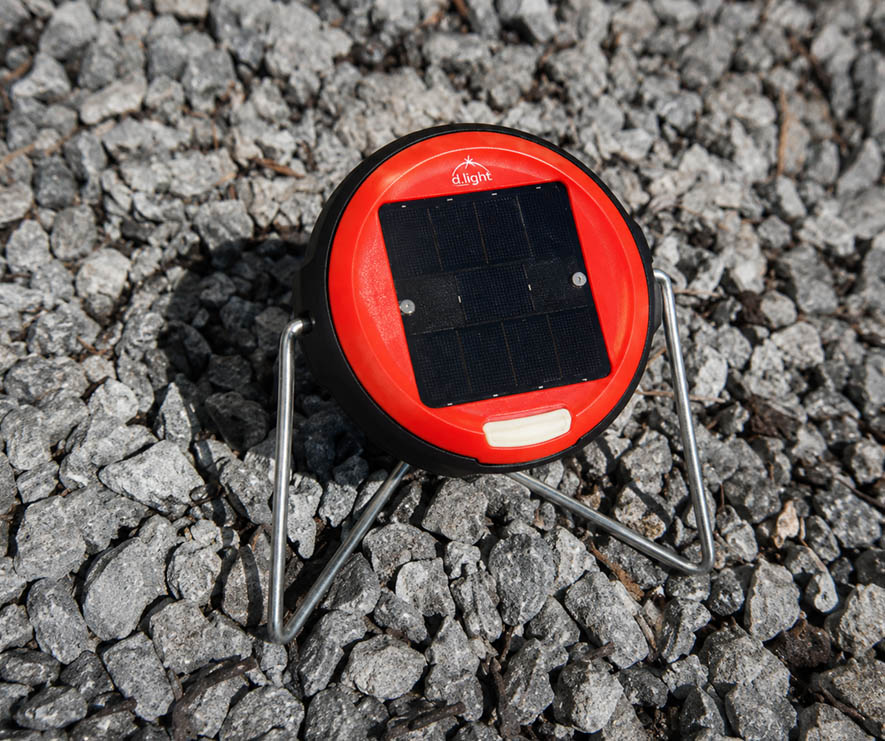
D-light S2
day’s charge and uses highly efficient LEDs.
Features:
- One 4-Hour Brightness Setting
- 5-Year Lifetime
- No Battery Replacements Needed
- Integrated Solar Panel
- Dual Solar / AC Charging
- Full Charge from Solar / AC in 8 Hours
- Battery Charge Level Indicator
- Glow-in-the-Dark On / Off Button
- Weather, Dust and Impact Resistant
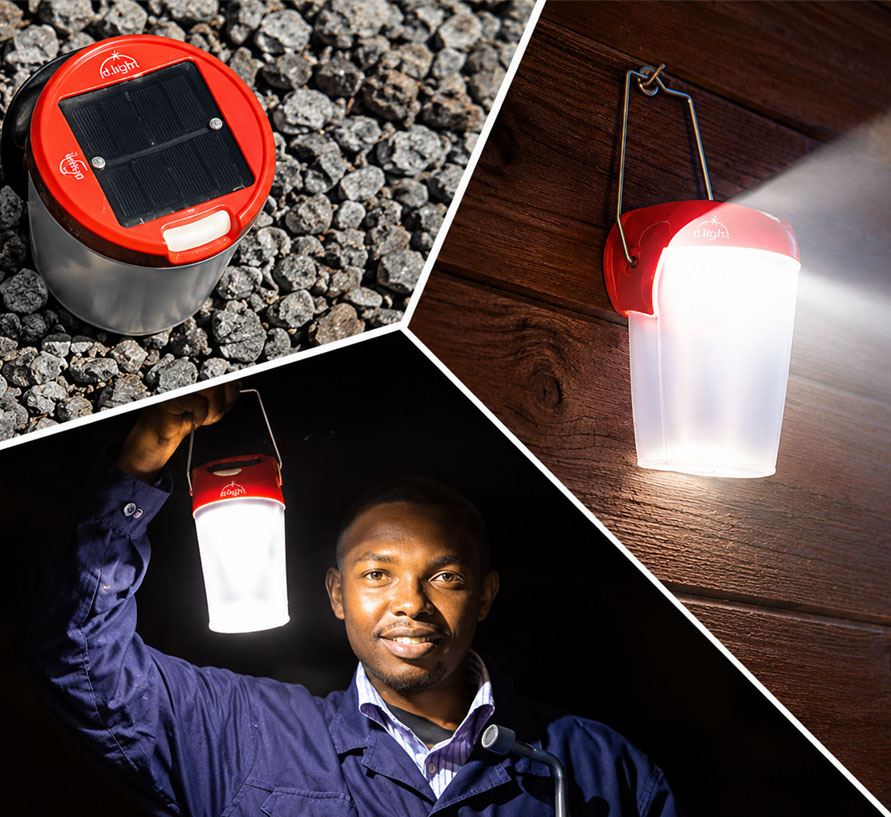
S 20
Features:
- Two brightness settings
- 4 Hours on High
- 8 Hours on Medium
- 5 Year Lifetime
- No Battery Replacements Needed
- Integrated Solar Panel
- Dual Solar / AC Charging
- Full Charge from Solar/AC – 8 Hours
- Battery Charge Level Indicator
- Glow In the Dark On/Off Button
- Weather, Dust and Impact Resistant
Solar lights are outdoor lighting solutions powered by sunlight. They use solar energy to charge a battery during the day, and at night, the stored energy is used to power the light. Solar lights are popular for landscaping, pathways, security, and decorative purposes. They are energy-efficient, eco-friendly, and easy to install.
How Solar Lights Work
Solar Panel
The solar light has a built-in solar panel that collects sunlight during the day. The panel is typically made of photovoltaic cells that convert sunlight into electricity.
Battery Storage
The energy collected by the solar panel is stored in a rechargeable battery. This is usually a Nickel-Cadmium (NiCd) or Lithium-Ion (Li-ion) battery.
LED Light
At night, a light sensor detects darkness and activates the light, using the stored energy from the battery to power the LED bulb. LED lights are energy-efficient and long-lasting.
Automatic On/Off
Most solar lights turn on automatically at night and off during the day when the panel collects sunlight again.
Advantages & Benefits of Solar Lights
Discover the energy-saving, eco-friendly and practical advantages of using solar lighting solutions.
Energy Efficient
Eco-Friendly
Low Operating Costs
Easy Installation
Reliable During Power Outages
Automatic Operation
Safe & Low Voltage
Versatile Applications
Cost-Effective in the Long Run
Supports Sustainable Development


Solar lights harness the power of the sun through solar panels, converting sunlight into electricity. This electricity is then stored in batteries for use at night or during low-light conditions, according to Hardoll
A solar lamp, also known as a solar light or solar lantern, is a lighting system composed of an LED lamp, solar panels, battery, charge controller and there may also be an inverter. The lamp operates on electricity from batteries, charged through the use of a solar photovoltaic panel.
Solar-powered household lighting can replace other light sources like candles or kerosene lamps. Solar lamps have a lower operating cost than kerosene lamps because renewable energy from the sun is free, unlike fuel. In addition, solar lamps produce no indoor air pollution unlike kerosene lamps. However, solar lamps generally have a higher initial cost, and are weather dependent.
Everything You Need to Know About Bifacial Solar Modules
Find answers to common questions about bifacial solar modules, their benefits, installation requirements and energy generation.
A bifacial solar module is a type of solar panel that generates electricity from both sides. The front side captures direct sunlight, while the back side absorbs reflected sunlight from the ground or surrounding surfaces, increasing overall energy generation.
Traditional monofacial panels only capture sunlight from the front. Bifacial panels use transparent back sheets or glass to allow sunlight to reach the rear side, improving efficiency by approximately 5–30% depending on installation conditions.
- Higher energy yield (5–30% more than monofacial)
- Better performance in diffuse and low-light conditions
- Longer lifespan with double-glass design
- More efficient use of available space
- Lower cost per unit of energy over time
Bifacial solar panels perform best when installed in areas where sunlight can reach both the front and rear surfaces of the module.
- Highly reflective surfaces such as white rooftops
- Snow, sand or water surfaces
- Elevated mounting structures
- Open ground-mounted solar farms
- Rooftops with sufficient clearance
Yes. Bifacial modules can be installed on regular rooftops. However, the additional energy generated from the rear side depends on the surface below the panels.
Reflective or light-colored rooftops can provide greater rear-side energy generation, while dark rooftops generally provide a lower rear-side gain.
On average, bifacial solar modules can generate approximately 5–20% more energy than traditional panels. Under ideal conditions, such as snow-covered ground or highly reflective surfaces, the additional energy generation may reach up to 30%.
Why Choose S & N Merchandiser Dehradun?
Choose reliable bifacial solar solutions designed to maximize energy generation, improve long-term performance and make better use of available solar space.