Commercial Heat Pump
Commercial Heat Pump Dealer/ Supplier in Dehradun
A heat pump is a device that transfers heat energy from a source of heat to what is called a heat sink. Heat pumps move thermal energy in the opposite direction of spontaneous heat transfer, by absorbing heat from a cold space and releasing it to a warmer one. A heat pump uses a small amount of external power to accomplish the work of transferring energy from the heat source to the heat sink. The most common design of a heat pump involves four main components – a condenser, an expansion valve, an evaporator and a compressor. The heat transfer medium circulated through these components is called refrigerant.
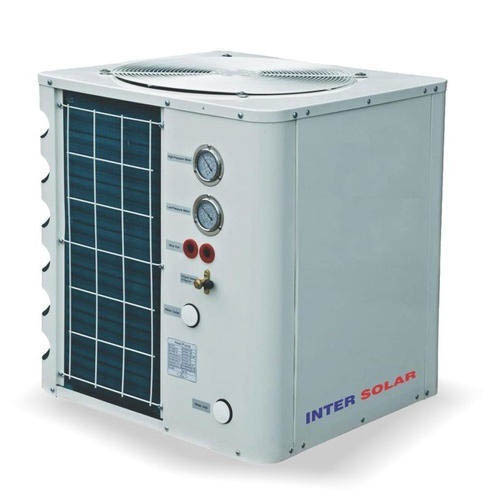
A Commercial Heat Pump is a high-capacity heating and cooling system designed for large buildings or facilities like offices, hotels, schools, shopping centers, hospitals, or industrial sites. It operates on the same basic principle as residential heat pumps—moving heat instead of generating it—but at a much larger and more efficient scale.
Benefits
-
Energy savings: Efficient heating/cooling lowers electricity bills.
-
Low emissions: Cleaner than gas or oil boilers.
-
Dual-use: One system for both heating and cooling.
-
Zoning options: Serve different areas with different temperature needs.
-
Incentive-friendly: Often eligible for tax credits or rebates.
-
Long-term reliability: Built to handle long operating hours.
1. High Energy Efficiency
Heat pumps transfer heat rather than generate it, making them 3 to 5 times more efficient than traditional heating systems.
2. Dual Function: Heating and Cooling
A single system provides both space heating in winter and cooling in summer, reducing equipment and maintenance needs.
3. Lower Operating Costs
Although the initial investment may be higher, they offer significant long-term savings on energy bills.
4. Eco-Friendly
Reduce carbon emissions and reliance on fossil fuels, especially when powered by renewable energy sources like solar.
5. Consistent Temperature Control
Provide stable indoor temperatures and improved comfort for commercial spaces like offices, hospitals, and hotels.
6. Quiet Operation
Advanced commercial heat pumps operate silently, contributing to a more pleasant indoor environment.
7. Low Maintenance
Fewer mechanical components than conventional HVAC systems mean less wear and tear and lower maintenance needs.
8. Eligible for Incentives
Often qualify for government rebates, subsidies, or tax credits, especially in energy-efficiency upgrade projects.
9. Flexible Installation Options
Can be adapted to various building sizes and layouts, including rooftop, ducted, or split systems.
10. Long-Term Durability
Built to withstand heavy-duty commercial use, offering a lifespan of 15–20 years or more with proper care.

How Commercial Heat Pumps Work:
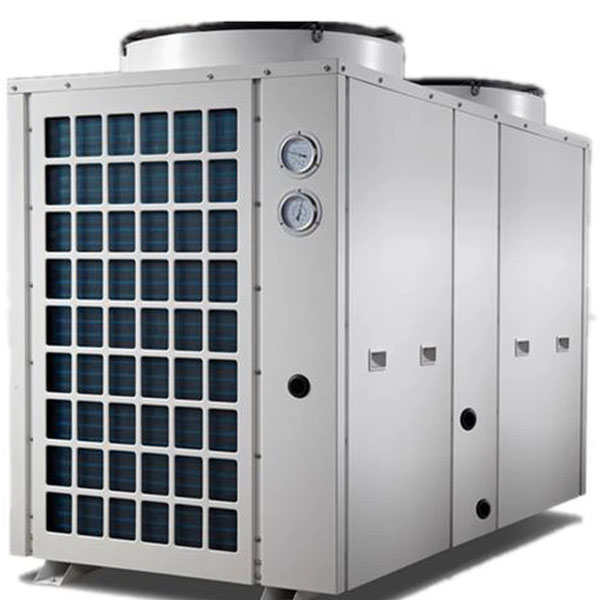
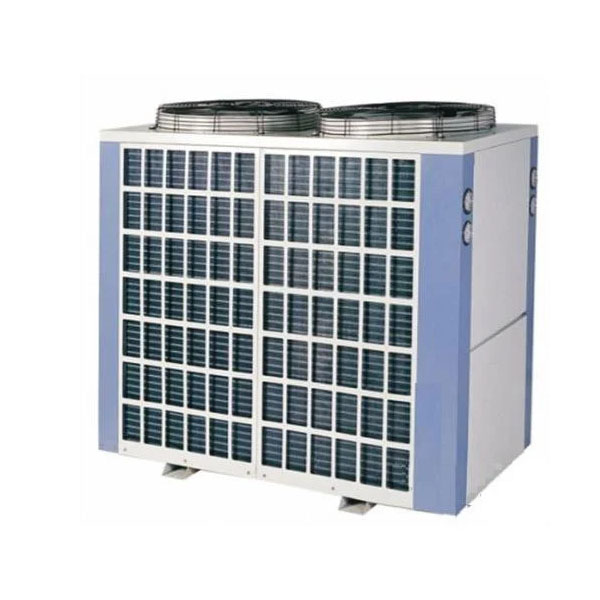
Commercial heat pumps utilize a refrigerant cycle to move heat. In winter, they extract heat from the outside air, ground, or water source and transfer it indoors to heat the building. In summer, this process reverses, transferring heat from inside to the outside, thus cooling the space.
Q1. What is a commercial heat pump?
A commercial heat pump is an energy-efficient system that provides heating, cooling, and sometimes hot water for large buildings such as offices, hotels, hospitals, schools, and industries by transferring heat instead of generating it directly.
Q2. How does a commercial heat pump work?
In heating mode: It extracts heat from the air, water, or ground and transfers it indoors.
In cooling mode: It works like an air conditioner, moving heat from indoors to outdoors.
This process is powered by electricity but delivers 3–5 times more energy than it consumes.
Q3. What types of commercial heat pumps are available?
Air Source Heat Pumps (ASHP): Extract heat from outside air.
Water Source Heat Pumps (WSHP): Use nearby water bodies or cooling towers.
Ground Source Heat Pumps (GSHP): Extract heat from the ground using buried pipes.
Hybrid Heat Pumps: Combine heat pumps with traditional boilers for maximum efficiency.
Q4. What are the benefits of commercial heat pumps?
Energy-efficient (lower operating costs compared to conventional HVAC)
Provides both heating and cooling in one system
Environmentally friendly (reduces carbon footprint)
Long lifespan and low maintenance
Compatible with renewable energy sources (like solar PV)
Q5. Can commercial heat pumps replace boilers and chillers?
Yes. Heat pumps can act as a complete HVAC solution, replacing or working alongside existing boilers and chillers, depending on building requirements.
Q6. What is the lifespan of a commercial heat pump?
With proper maintenance:
Air Source Heat Pumps: 15–20 years
Ground/Water Source Heat Pumps: 20–25 years
Why Choose S & N Merchandiser (Dehradun) for Your Commercial Heat Pump System
- Local heat pump experience
- Commercial-grade heat pump solutions
- High energy efficiency
- Reduces electricity and fuel costs
- Suitable for hotels, hospitals, and industries
- Eco-friendly heating and cooling
- Low maintenance systems
- Installation and service support